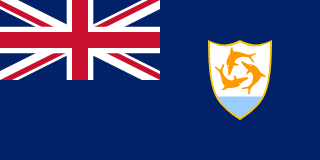
Anguilla is a British Overseas Territory in the northeastern Caribbean, a small, flat island of approximately 18,000 residents whose economy is built almost entirely on high-end tourism and offshore financial services. The island's constitutional relationship with the United Kingdom — as a British Overseas Territory rather than an independent state — creates distinct migration dynamics compared to sovereign Caribbean nations, while its small size and limited natural resources have historically driven emigration and created dependence on migrant labour for economic functions the local population cannot supply.
The history of Anguillian self-determination is unique in Caribbean political history. In 1969, Anguilla revolted against federation with St. Kitts and Nevis, successfully demanding the right to remain under direct British administration rather than join an independent federation. This "Reverse Revolution" — rejecting independence in favour of continued colonial relationship — reflected Anguillian assessment that small island status and British protection offered better prospects than federation with larger neighbours. Today, Anguilla retains its British Overseas Territory status and residents have British nationality, though not full EU rights following Brexit.
Anguilla's luxury tourism sector — centred on private villa rentals and high-end resorts — drives demand for service workers, construction labour, and domestic employees that significantly exceeds what the local workforce can supply. Workers from neighbouring islands — particularly Jamaica, Guyana, the Dominican Republic, and St. Vincent — constitute a significant proportion of the workforce in hospitality, construction, and domestic services. Managing this labour immigration, including ensuring adequate worker protections and pathways to regularization, is an important governance challenge.
Hurricane Irma struck Anguilla as a Category 5 storm in September 2017, causing extensive damage to infrastructure, the tourism sector, and housing. Recovery required significant importation of construction labour, temporarily increasing the migrant population on the island. The rebuilding process accelerated changes in the composition of the workforce and created new questions about long-term residency rights for workers who came for reconstruction and stayed.
Population: approximately 18,000
Capital: The Valley
Status: British Overseas Territory
Economy: Luxury tourism, offshore financial services
GDP per capita: among the highest in the Eastern Caribbean