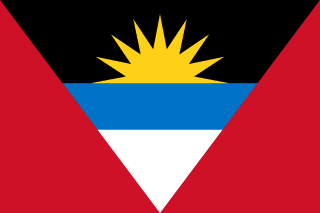
Antigua and Barbuda is a twin-island state that combines a highly developed tourism economy with an active citizenship by investment program, creating a distinctive migration profile that reflects both the opportunities and vulnerabilities of small island development. The country's National Development Programme (NDP), launched in 2013, offers investors citizenship in exchange for qualifying contributions or real estate purchases, providing Antiguan and Barbudan passports that offer visa-free access to over 150 countries.
The population of approximately 100,000 is concentrated primarily on Antigua, the larger island, with Barbuda having a much smaller permanent population of around 1,800 people — a population that was entirely evacuated in 2017 when Hurricane Irma made a direct hit on the island, destroying more than 90% of structures. The evacuation and subsequent slow return of Barbudans raised complex questions about land ownership, development rights, and the autonomy of Barbuda within the federation that remain politically sensitive.
Antigua's tourism-dependent economy relies significantly on migrant labour, particularly in construction, hospitality, and domestic services. Workers from other Caribbean islands — particularly Jamaica, Guyana, Dominica, and St. Vincent — constitute a significant share of the workforce in these sectors. Managing this labour immigration while protecting both migrant workers' rights and the interests of Antiguan workers requires robust labour market governance that small island states often struggle to maintain.
The complete evacuation of Barbuda following Hurricane Irma in September 2017 represented one of the most dramatic and complete displacements in Caribbean history. The entire island's population was moved to Antigua and, for some, to other territories or international destinations. Return has been gradual and contentious, with disputes about land allocation, rebuilding rights, and development plans complicating the recovery process. The Barbuda displacement illustrates how climate-driven events can fundamentally reshape the demography of small island communities.
Population: approximately 100,000
Capital: Saint John's
CBI Program: National Development Programme (NDP), est. 2013
Visa-free access: 150+ countries
Main employer: Tourism (approximately 60% of GDP)