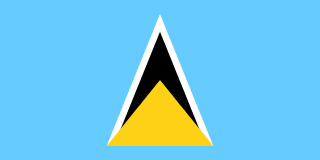
Saint Lucia is the most recent Caribbean nation to establish a citizenship by investment program, launching its scheme in January 2016. Despite being a newer entrant to the CBI market, Saint Lucia has designed a competitive program with multiple investment options, robust due diligence procedures, and a processing time of three to four months. The program reflects a strategic decision by the Saint Lucian government to diversify revenue streams and attract investment in the context of a small island economy dependent on tourism and banana exports.
Saint Lucia's CBI program offers citizenship — and with it a passport providing visa-free access to over 140 countries including the United Kingdom, European Union, and most Commonwealth states — through several pathways: contribution to the National Economic Fund, real estate investment, enterprise investment, or investment in government bonds. The program is administered by the Citizenship by Investment Unit and is subject to regulatory oversight including international due diligence on all applicants.
Like its neighbours in the Eastern Caribbean, Saint Lucia has a significant emigration history driven by limited economic opportunities, historical connections to the United Kingdom during the colonial era, and subsequent patterns of chain migration that created diaspora communities in Britain, the United States, and Canada. The Saint Lucian diaspora maintains strong cultural and economic ties with the island, contributing to remittance flows and participating in Carnival and other cultural events that reinforce connections between those who left and those who stayed.
Saint Lucia also participates in CARICOM free movement and the Caribbean Community's labour mobility frameworks, both as a source of migrants to larger Caribbean economies and as a destination for workers from other CARICOM states. Tourism, construction, and domestic services attract workers from across the region.
Saint Lucia's geography — a volcanic island with a mountainous interior and narrow coastal plain — creates both spectacular natural beauty and significant vulnerability to natural hazards. Tropical cyclones, flooding, landslides, and volcanic activity from the Sulphur Springs geothermal area represent real risks to the island's population and infrastructure. Climate change projections suggest increasing frequency and intensity of extreme rainfall events, rising sea levels threatening coastal communities, and ocean warming affecting the marine ecosystems on which tourism and fishing depend.
Population: approximately 185,000
Capital: Castries
CBI Program: Established January 2016
Visa-free access: 140+ countries including UK and EU
Economy: Tourism (65%+ of GDP), banana exports, financial services