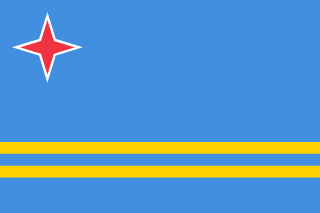
Aruba is a constituent country of the Kingdom of the Netherlands, located in the southern Caribbean just 29 kilometres off the coast of Venezuela. This geographic proximity to Venezuela — one of the hemisphere's most severe displacement crises — combined with Aruba's relatively high living standards and Dutch connections, has made it a significant destination for Venezuelan migrants and an important case study in small island migration governance under pressure.
Aruba achieved separate status (Status Aparte) from the Netherlands Antilles in 1986, becoming an autonomous constituent country of the Kingdom of the Netherlands. Arubans hold Dutch nationality and have the right to live and work in the Netherlands, though limited integration support for those who migrate means the movement is less smooth in practice than in theory. The island's population of approximately 115,000 has grown significantly over recent decades, driven by the attraction of its tourism economy, oil refining industry, and relatively high wages.
Venezuela's political and economic collapse from 2015 onwards sent waves of migrants and refugees toward neighbouring territories, with Aruba — just 29 kilometres from the Venezuelan coast — among the closest and most accessible destinations. Thousands of Venezuelans arrived in Aruba by boat and air, seeking economic opportunity and physical safety from Venezuela's deteriorating security situation. At its peak, Venezuelan nationals represented a significant percentage of Aruba's total population.
Aruba's response to Venezuelan migration has been complicated by the island's limited size, resource constraints, and ambivalence about the social and economic impacts of large-scale immigration on a small territory. The government implemented temporary protection measures, work permit programs, and eventually voluntary return initiatives, while struggling with inadequate facilities for processing and housing large numbers of irregular arrivals.
Aruba's tourism sector — which accounts for the majority of economic activity — relies significantly on imported labour from Colombia, the Dominican Republic, Venezuela, and other countries to fill roles in hotels, restaurants, and related services. This structural dependence on migrant labour has created a complex social landscape, with migrant communities from multiple countries living alongside the indigenous Aruban population and more recent arrivals from the Netherlands.
Population: approximately 115,000
Capital: Oranjestad
Status: Constituent country of the Kingdom of the Netherlands
Official languages: Papiamento, Dutch, English, Spanish
Distance to Venezuela: 29 km