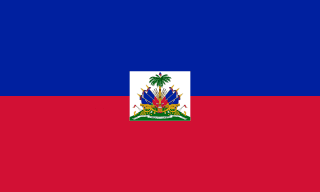
Haiti is the Caribbean's most populous nation and one of the most complex migration origin countries in the Western Hemisphere. Decades of political instability, natural disasters, and persistent poverty have produced one of the hemisphere's largest and most dispersed diaspora communities, while continued instability drives ongoing displacement both within the country and internationally. Understanding migration dynamics in Haiti requires engaging with the country's unique historical, political, and social context.
Haiti shares the island of Hispaniola with the Dominican Republic, and the border between the two countries is one of the most significant migration corridors in the Caribbean. Haitians cross the border for seasonal agricultural work, trade, and permanent settlement, while the Dominican Republic has periodically conducted mass deportations of Haitian migrants and Dominican citizens of Haitian descent. The 2013 Constitutional Court ruling that stripped nationality from Dominican-born descendants of irregular migrants created a statelessness crisis affecting tens of thousands of people.
The January 2010 earthquake that devastated Port-au-Prince and surrounding areas killed an estimated 220,000 people and displaced over 1.5 million. The disaster overwhelmed Haiti's already fragile state institutions and triggered massive international humanitarian response. International migration increased significantly following the earthquake as people sought safety and economic opportunity abroad. The United States, Brazil, Chile, Canada, and Caribbean neighbours all received significant numbers of Haitian migrants in the years following the disaster.
More than a decade after the earthquake, recovery has been uneven. Cholera, introduced by UN peacekeeping personnel, killed more than 10,000 people. Political crises, gang violence — particularly in Port-au-Prince — and the 2021 assassination of President Jovenel Moïse have created conditions of extreme insecurity that continue to drive displacement. Gang control of significant portions of the capital has restricted movement, disrupted commerce, and made humanitarian operations extremely difficult.
The Haitian diaspora, estimated at over 1.5 million people in the United States alone, with significant communities also in Canada, France, the Dominican Republic, Brazil, Chile, and the Bahamas, is a vital economic lifeline for Haiti. Remittances account for more than 30% of Haiti's GDP — a higher proportion than foreign direct investment and official development assistance combined. Diaspora networks also provide social support, political advocacy, and connections to international resources that partly compensate for the weakness of state institutions.
Population: approximately 11.5 million (2023 estimate)
Capital: Port-au-Prince
Remittances: over 30% of GDP
Diaspora: estimated 1.5–2 million in the United States
IDPs: hundreds of thousands displaced by gang violence (2022–2024)
HDI: 0.535 (low human development)
Haiti's migration situation requires both immediate humanitarian attention and long-term investment in governance, security, and economic development. The CMC engages with Haitian authorities and civil society to support rights-based migration management and to strengthen Haiti's capacity to protect its citizens, whether at home or abroad.