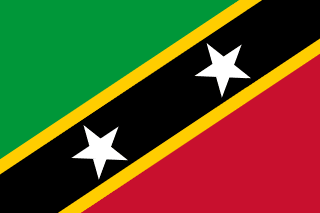
Saint Kitts and Nevis holds a unique distinction in global migration history: it is home to the world's oldest citizenship by investment (CBI) program, established in 1984. This pioneering program has served as a model for similar initiatives in Dominica, Antigua and Barbuda, Grenada, Saint Lucia, and other jurisdictions worldwide, and has become one of the most important elements of the federation's economic development strategy. The intersection of citizenship, investment, and migration that the Saint Kitts CBI program embodies makes the country particularly significant in the broader Caribbean migration landscape.
The twin-island federation of Saint Kitts and Nevis has a population of approximately 50,000 people, supplemented by a significant diaspora community spread across the United Kingdom, the United States, and Canada. Like many small Eastern Caribbean states, Saint Kitts and Nevis experienced substantial emigration during the 20th century as the sugar industry — the historic backbone of the economy — declined. The CBI program was partly conceived as a means of attracting investment and high-net-worth individuals to compensate for the structural economic challenges facing a small island economy without natural resource endowments.
The CBI program fundamentally changes the relationship between residence, citizenship, and investment. Unlike traditional migration, which requires extended periods of residence before citizenship can be obtained, the Saint Kitts program grants citizenship — and with it, the right to live and work in the federation and to access visa-free travel to over 150 countries — in exchange for a qualifying investment. This creates a new category of migration: the "investment migrant" who may not intend to reside in Saint Kitts but acquires citizenship for the expanded global mobility it provides.
The program has contributed significantly to government revenues and has funded infrastructure development, healthcare improvements, and the Hurricane Relief Fund. It has also attracted controversy, with some destination countries raising concerns about due diligence standards and the potential for the program to facilitate money laundering or tax avoidance by wealthy investors seeking to obscure their origins or assets.
Beyond the CBI program, Saint Kitts and Nevis participates in the standard CARICOM free movement framework and receives CARICOM nationals who come to work in the tourism, construction, and services sectors. The federation also maintains strong diaspora connections with the United Kingdom — dating from the large emigration during the post-war sugar industry decline — and with the United States and Canada.
Population: approximately 50,000
Capital: Basseterre
CBI Program: Established 1984 — the world's first citizenship by investment program
Visa-free access: 150+ countries for Saint Kitts citizens
GDP per capita: approximately USD 19,000