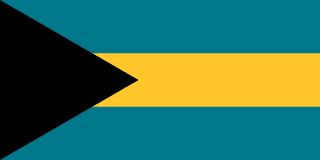
The Bahamas occupies a strategically significant position in Caribbean migration geography. An archipelago of over 700 islands and cays stretching from just 80 kilometres off the coast of Florida to the northeastern Caribbean, the Bahamas is a major transit country for irregular migrants attempting to reach the United States, a destination for Haitian migrants and asylum seekers, and a significant origin of its own emigrant community. Managing migration flows across such an extensive and porous maritime territory presents extraordinary governance challenges.
The proximity of the Bahamas to Florida — and to the lucrative labour markets of the continental United States — makes it a key link in irregular migration chains from Haiti, Cuba, and increasingly other countries whose nationals use the Caribbean as a transit route to North America. The US Coast Guard and Bahamian authorities regularly intercept vessels carrying migrants in Bahamian waters, raising complex questions about rescue obligations, asylum processing, and the rights of intercepted migrants.
The Bahamas hosts one of the Caribbean's largest Haitian migrant communities, with estimates suggesting 40,000 to 80,000 Haitian nationals in a country of approximately 400,000 residents. Haitians have been migrating to the Bahamas for decades, attracted by employment opportunities in construction, agriculture, and domestic services that the Bahamian labour market demands but that local workers are often unwilling to fill at prevailing wages.
The Haitian community in the Bahamas has faced periodic crackdowns, mass deportations, and social marginalization. Children born in the Bahamas to non-citizen parents do not automatically acquire Bahamian citizenship — a policy that has created a generation of stateless or documentation-lacking individuals born in the Bahamas who lack legal status in either the Bahamas or Haiti.
The Bahamas is one of the Caribbean's wealthiest countries by GDP per capita, driven by a sophisticated financial services sector and a premium tourism industry. This prosperity attracts workers from across the region and creates a two-tiered migration system: high-skilled international professionals working in financial services and management, and lower-wage migrant workers in construction, hospitality, and domestic services.
Population: approximately 400,000
Capital: Nassau
Haitian migrants: 40,000–80,000 estimated
GDP per capita: approximately USD 32,000
Islands: 700+ (30 inhabited)