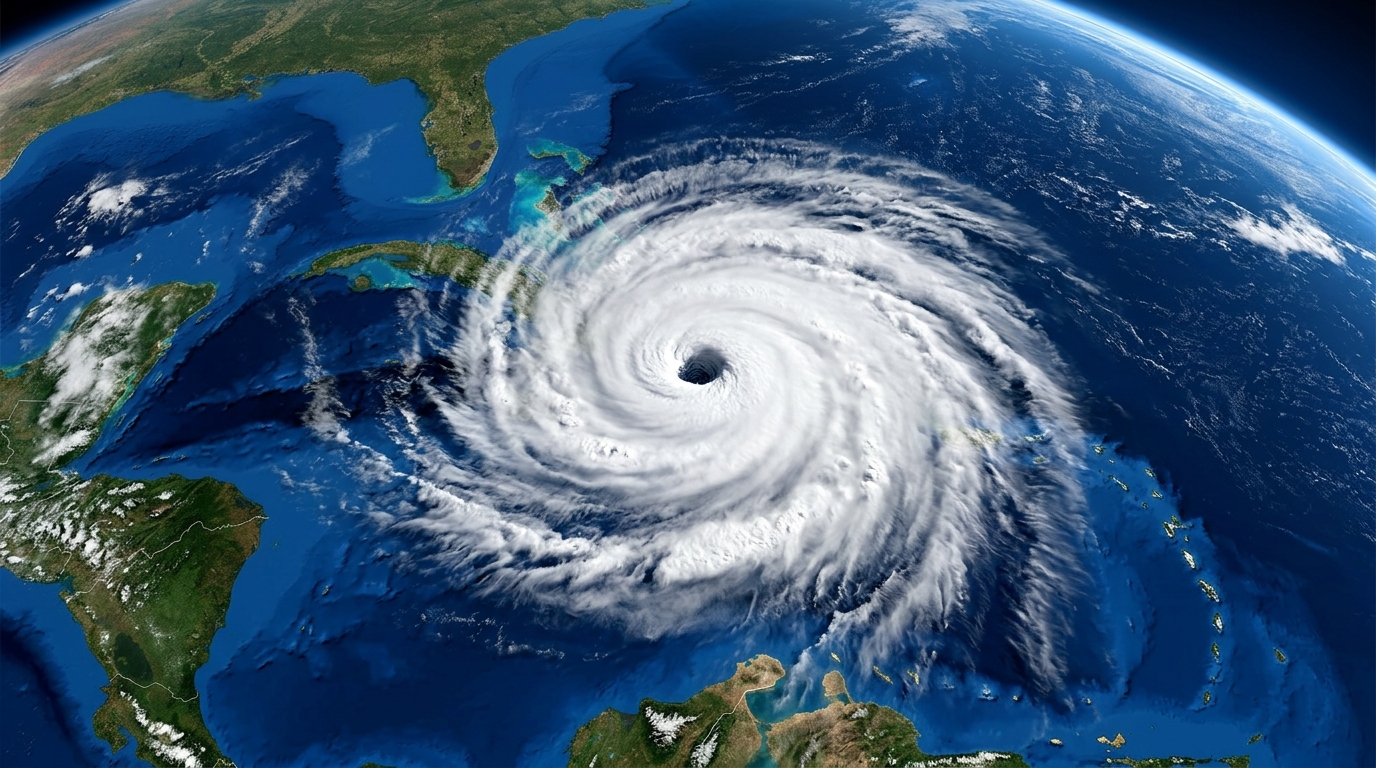
The Caribbean is one of the world's most disaster-prone regions. Located in the Atlantic hurricane belt, vulnerable to volcanic activity, earthquakes, tsunamis, and the intensifying effects of climate change, Caribbean territories face a sustained and growing risk of natural disasters that regularly result in mass displacement, infrastructure destruction, and humanitarian emergencies. For migration governance, this reality means that emergency preparedness and response is not a peripheral concern — it is central to managing human mobility in the region.
Hurricanes represent the most frequent and severe disaster risk. The 2017 Atlantic hurricane season was catastrophic: Hurricane Irma, a Category 5 storm, devastated Barbuda so completely that the entire population had to be evacuated. Three weeks later, Hurricane Maria struck Dominica with similar ferocity, destroying 90% of the island's buildings, killing dozens, and prompting thousands to evacuate — many permanently. Puerto Rico, the US Virgin Islands, and other territories also suffered severe damage from these back-to-back storms, with Puerto Rico's death toll estimated at nearly 3,000 people in the months following the storm.
Disasters in the Caribbean create complex displacement dynamics that require both immediate emergency response and longer-term durable solutions planning. In the immediate aftermath of a disaster, people move to evacuation centers, stay with relatives in less affected areas, or move across island or international borders. Some of this movement is temporary — families return once immediate dangers pass and basic services are restored. But when damage is extensive and recovery is slow, temporary displacement can become protracted or permanent migration.
The decision to return after a disaster is influenced by many factors: whether housing is habitable, whether livelihoods can be rebuilt, whether children can access schools, whether elderly relatives need care, and critically, whether people believe the community has a viable future in the face of ongoing or future disaster risks. When governments are slow to provide reconstruction assistance or when insurance systems fail, displacement extends and community cohesion erodes.
Migrants present in a territory when disaster strikes face particular vulnerabilities. Irregular migrants may be afraid to seek help from emergency services for fear of immigration enforcement. Language barriers prevent access to emergency information and instructions. Lack of documentation complicates access to emergency assistance and insurance claims. Pre-existing poverty and poor housing conditions mean migrants are often more exposed to disaster impacts and less able to recover without external support.
The CMC Emergency Preparedness and Response Network works to ensure that emergency management plans explicitly address the needs of migrant populations, that emergency information is available in multiple languages, and that emergency service providers are trained to serve all people affected by disasters without discrimination based on migration status.
No Caribbean territory is capable of responding to a major disaster alone. Regional coordination mechanisms — particularly the Caribbean Disaster Emergency Management Agency (CDEMA) — play a critical role in mobilizing regional assistance when individual territories are overwhelmed. Strengthening these coordination mechanisms, pre-positioning emergency supplies, and developing clear protocols for cross-border movement of emergency workers and displaced persons are key priorities of the CMC network.