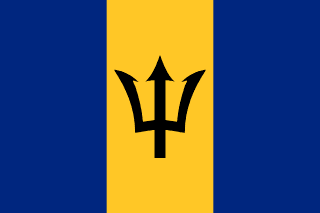
Barbados has long held a reputation as one of the Caribbean's most stable, prosperous, and well-governed states — a distinction earned through decades of democratic continuity, investment in education and health, and prudent economic management. Yet like its neighbours, Barbados faces complex migration challenges: an ageing population, a significant diaspora, skilled emigration that depletes professional sectors, and the need to attract and manage migrant labour to fill gaps in its tourism-dependent economy.
The Barbadian diaspora — spread across the United Kingdom, the United States, and Canada — reflects the island's historical connections to Britain and the emigration waves of the 20th century. The "Bajan" community in Britain, formed largely during the post-war migration period, maintained strong connections with the island through decades of circular migration, remittances, and cultural exchange. Today, second and third generation Barbadians in the UK and North America maintain varying degrees of connection with the island, from regular visits to retirement return migration.
Barbados invests heavily in education — with adult literacy rates above 98% and one of the Caribbean's highest rates of tertiary education completion — but this investment is partially offset by skilled emigration. Healthcare professionals, engineers, information technology specialists, and financial services workers are in global demand, and Barbados-trained professionals regularly emigrate to countries offering higher salaries and broader opportunities. Managing this talent flow — benefiting from diaspora connections and remittances while retaining enough skilled workers to maintain quality public services — is a constant challenge.
Barbados demonstrated innovative thinking about migration governance during the COVID-19 pandemic by introducing the Barbados Welcome Stamp — a 12-month renewable visa allowing remote workers to live and work on the island while employed by companies abroad. This initiative attracted significant international attention and positioned Barbados as a forward-thinking destination for the growing global class of location-independent workers. Dozens of other countries subsequently developed similar programs, but Barbados was among the first and established itself as a destination of choice for remote workers seeking a combination of Caribbean lifestyle, reliable internet, and straightforward legal status.
Population: approximately 285,000
Capital: Bridgetown
Literacy rate: 98%+
GDP per capita: approximately USD 17,000
Economy: Tourism, financial services, international business
CARICOM membership: Founding member