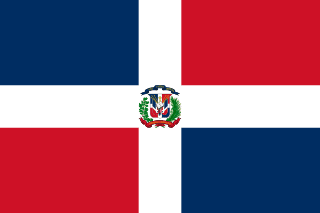
The Dominican Republic is the Caribbean's most populous nation (excluding Haiti) and one of the region's most significant migration hubs, functioning simultaneously as a major origin country for emigration to the United States and Spain, a primary destination for Haitian migrants, and a transit country for migrants from further afield. Understanding Dominican migration requires engaging with the country's complex relationship with Haiti, its large diaspora, and the political controversies that have made nationality and citizenship contested issues.
Dominican emigration to the United States — particularly to New York, New Jersey, Massachusetts, and Florida — began in significant numbers following the end of the Trujillo dictatorship in 1961 and accelerated through the 1970s, 1980s, and 1990s. The Dominican diaspora in the United States numbers approximately 2.2 million people, with a particularly large and influential community in New York City. Remittances from this diaspora are the country's second-largest source of foreign exchange, consistently representing 8-10% of GDP and directly supporting the living standards of hundreds of thousands of Dominican families.
The Dominican Republic hosts an estimated 700,000 to 1 million Haitian migrants and Dominican-born individuals of Haitian descent. Many Haitians have worked in Dominican agriculture, construction, and domestic services for generations, often in informal employment without legal documentation. The relationship between the two countries that share Hispaniola has historically been shaped by racial tension, economic inequality, and contested national identities.
The 2013 Constitutional Court ruling (Sentencia TC 168-13), which retroactively stripped Dominican nationality from all persons born after 1929 to parents who were not legal residents, was internationally condemned as creating statelessness on a massive scale. Tens of thousands of people who had lived their entire lives as Dominicans were left without nationality, unable to access documentation, education, employment, or other rights. Subsequent legislation partially addressed the crisis, but civil society organizations continue to report that significant numbers of people remain effectively stateless.
The Dominican Republic's tourism industry — the Caribbean's largest, generating over $8 billion annually — creates significant demand for domestic and international labour in hotels, resorts, restaurants, and related services. This sector draws both internal migration from rural to tourist zones and international migration from Haiti and other Caribbean countries.
Population: approximately 11 million
Capital: Santo Domingo
US diaspora: 2.2 million (predominantly New York)
Haitian migrants: 700,000–1 million estimated
Remittances: 8–10% of GDP
Tourism revenue: USD 8+ billion annually