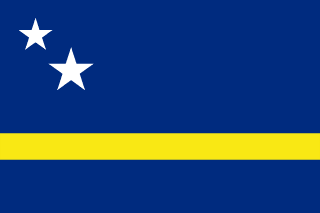
Curaçao is a constituent country of the Kingdom of the Netherlands, located in the southern Caribbean approximately 65 kilometres north of Venezuela. Like Aruba, its proximity to Venezuela has made it a significant destination for Venezuelan migrants and asylum seekers since the onset of Venezuela's political and economic crisis after 2015. Curaçao's response to Venezuelan migration — including controversial deportation policies and the situation of Venezuelan children born on the island — has drawn international attention and raised difficult questions about protection obligations for small territories with limited resources.
Curaçao's population of approximately 150,000 has been significantly augmented by Venezuelan arrivals, with estimates suggesting 15,000 to 20,000 Venezuelans present on the island by 2022. This represents a substantial proportion of the local population, creating social tensions and public policy pressures that the island's government has struggled to manage while maintaining obligations under international human rights and refugee law.
Curaçao's unique culture and identity were shaped by its history as a major hub of the transatlantic slave trade and later as a centre of oil refining (the Shell refinery, established in 1915, dominated the economy for decades). The indigenous language, Papiamentu — a creole blending elements of Portuguese, Spanish, Dutch, English, and African languages — reflects this extraordinary cultural fusion. Curaçao's population includes communities of Dutch, Afro-Caribbean, Venezuelan, Colombian, Chinese, Jewish, and other origins, creating one of the Caribbean's most diverse small societies.
As an offshore financial center with Dutch legal and regulatory standards, Curaçao attracts investment and professional migration in banking, insurance, and international business sectors. The island's political stability, dual-language (Papiamentu and Dutch) professional environment, and connections to both the Dutch and Latin American business worlds make it attractive to professionals from across the region.
Population: approximately 150,000
Capital: Willemstad (UNESCO World Heritage Site)
Status: Constituent country of the Kingdom of the Netherlands
Venezuelan migrants: 15,000–20,000 estimated
Official languages: Papiamentu, Dutch, English