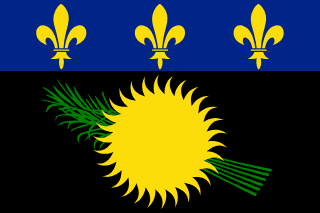
Guadeloupe is a French overseas region and department in the Eastern Caribbean, composed of a butterfly-shaped main island (formed by two larger islands joined at a narrow isthmus), and several dependencies including Marie-Galante, La Désirade, and Les Saintes. Like Martinique, Guadeloupe's status as a full part of France and the European Union means its inhabitants are French and EU citizens with unrestricted freedom of movement throughout Europe — creating migration dynamics fundamentally different from those of independent Caribbean states.
This freedom of movement has resulted in sustained emigration to metropolitan France. The BUMIDOM program of the 1960s-80s actively encouraged Guadeloupeans to migrate to France to fill labour shortages, creating diaspora communities in Paris and other French cities. Today, significant numbers of Guadeloupeans of working age live in France, while their island faces challenges of an ageing population and youth unemployment among those who remain.
Guadeloupe's economy is heavily dependent on transfers from metropolitan France, tourism, and agricultural exports — primarily bananas and sugar. The public sector is the largest employer, with government employment subsidized by French state transfers. This creates a structural imbalance that drives private sector emigration while maintaining relative stability for public sector workers.
Population: approximately 390,000
Capital: Basse-Terre
Status: French overseas region and department
Residents have: Full EU freedom of movement rights
Official language: French (with Antillean Creole widely spoken)
Guadeloupe attracts migrant workers from neighbouring islands such as Haiti, Dominica, and Saint Lucia to fill roles in agriculture and domestic services. These workers often navigate complex legal situations, as Guadeloupe — being part of France — applies EU border rules while remaining geographically in the Caribbean. This creates tensions between Caribbean free movement norms and European immigration regulations.
Youth unemployment has been a persistent challenge, with rates exceeding 40% for young people under 25. This drives emigration to metropolitan France among young Guadeloupeans seeking employment, contributing to brain drain while local labour shortages in certain sectors are filled by immigrants from less prosperous Caribbean neighbours.
Climate resilience is increasingly important: Guadeloupe faces hurricane risk, flooding, and the volcanic hazard of La Soufrière (not to be confused with the Saint Vincent volcano of the same name), which last erupted significantly in 1976. Climate adaptation planning incorporates both physical infrastructure and human mobility considerations.