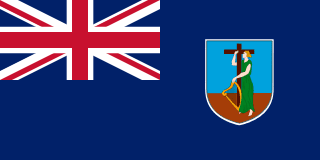
Montserrat is perhaps the most dramatic case of volcano-driven forced displacement in Caribbean history. The eruption of the Soufrière Hills volcano, which began in July 1995 and continues to this day, has fundamentally transformed the island — destroying its capital Plymouth, rendering the southern two-thirds of the island uninhabitable, and forcing the emigration of the majority of the island's pre-eruption population of approximately 12,000 people.
Before the eruption, Montserrat was a quiet and prosperous British Overseas Territory with a reputation as the "Emerald Isle of the Caribbean" for its Irish heritage, green hills, and relaxed lifestyle. The AIR Studios — owned by George Martin, the Beatles' producer — had made it a destination for international music recording artists. The eruption destroyed all of this, killing 19 people in the August 1997 pyroclastic surge, burying Plymouth under metres of volcanic deposits, and eventually forcing the evacuation of virtually the entire southern half of the island.
The volcanic crisis created one of the Caribbean's most complete displacement events. Approximately 8,000 of Montserrat's pre-eruption population of 12,000 emigrated — primarily to the United Kingdom, Antigua, and other Eastern Caribbean territories. The UK government provided emergency relocation assistance and Montserrat nationals received right-to-reside status in the UK, though many found the transition to a very different social and economic environment challenging.
The current resident population of Montserrat is only approximately 5,000 — less than half the pre-eruption population — concentrated in the north of the island around the town of Brades. Rebuilding a viable community and economy in the habitable northern zone, while maintaining the volcanic exclusion zone in the south, has been the central challenge of Montserrat's post-eruption governance.
The Soufrière Hills volcano remains active, with periodic eruptions and ongoing geothermal activity that maintain the exclusion zone in the south of the island. This permanent background risk shapes investment decisions, population choices about return or emigration, and the long-term viability of the northern settlement area. Montserrat's experience is increasingly studied as a case study in planned relocation and long-term recovery from volcanic disasters.
Current population: approximately 5,000
Pre-eruption population: approximately 12,000
Capital: Brades (Plymouth destroyed by volcano)
Status: British Overseas Territory
Volcanic activity: Ongoing since 1995