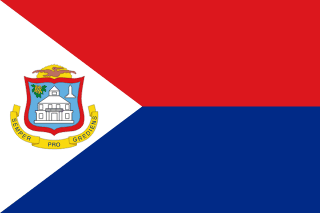
Sint Maarten is the southern Dutch half of the island of Saint Martin, the smallest territory in the world to be divided between two sovereign states — the French collectivity of Saint-Martin to the north and the constituent country of Sint Maarten (part of the Kingdom of the Netherlands) to the south. This unique political geography, combined with the island's role as a major Caribbean tourism hub and free port, creates one of the Caribbean's most complex and internationally diverse migration environments.
The island of Saint Martin/Sint Maarten has a total area of approximately 87 square kilometres and a combined population of approximately 80,000 people — yet it hosts nationalities from over 100 countries. Tourism, offshore financial services, and the free port status of Philipsburg (Sint Maarten's capital) have attracted workers and entrepreneurs from across the Caribbean, Latin America, Europe, and Asia. The open border between the French and Dutch sides allows free movement across the entire island, creating a single labour and tourism market despite different national jurisdictions.
Hurricane Irma struck Sint Maarten with catastrophic force in September 2017, destroying approximately 70-80% of the island's structures. The storm triggered significant displacement, with thousands of residents evacuated or self-evacuating to other islands or to the Netherlands. Recovery has been uneven and controversial, with disputes over reconstruction funding, governance of the rebuilding process, and the pace of restoration of tourism infrastructure and housing.
Population (Sint Maarten): approximately 42,000
Capital: Philipsburg
Status: Constituent country of the Kingdom of the Netherlands
Nationalities present: 100+ countries represented
Hurricane Irma damage: 70-80% of structures damaged/destroyed (2017)
The open border between the French and Dutch sides of the island creates unique governance challenges. Migrants who enter through the French side can move freely to Sint Maarten without passing through a formal border checkpoint, making immigration management across the entire island effectively a shared responsibility — one that has historically been managed with limited formal coordination between the French and Dutch authorities.
Sint Maarten's post-Irma reconstruction attracted thousands of additional migrant workers, primarily from the Dominican Republic, Jamaica, Haiti, and other Caribbean territories. Managing their legal status, housing, and working conditions while ensuring the rights of local residents were protected required governance capacity that the small territory struggled to mobilize during the reconstruction period.
The diversity of Sint Maarten — where over 100 nationalities coexist in less than 40 square kilometres — is both a source of cultural richness and a governance complexity. Social services, education, and legal systems must accommodate extraordinary linguistic and cultural diversity, while the rapid population changes driven by tourism booms, reconstruction periods, and disaster-related displacement create shifting demands on infrastructure and services.